
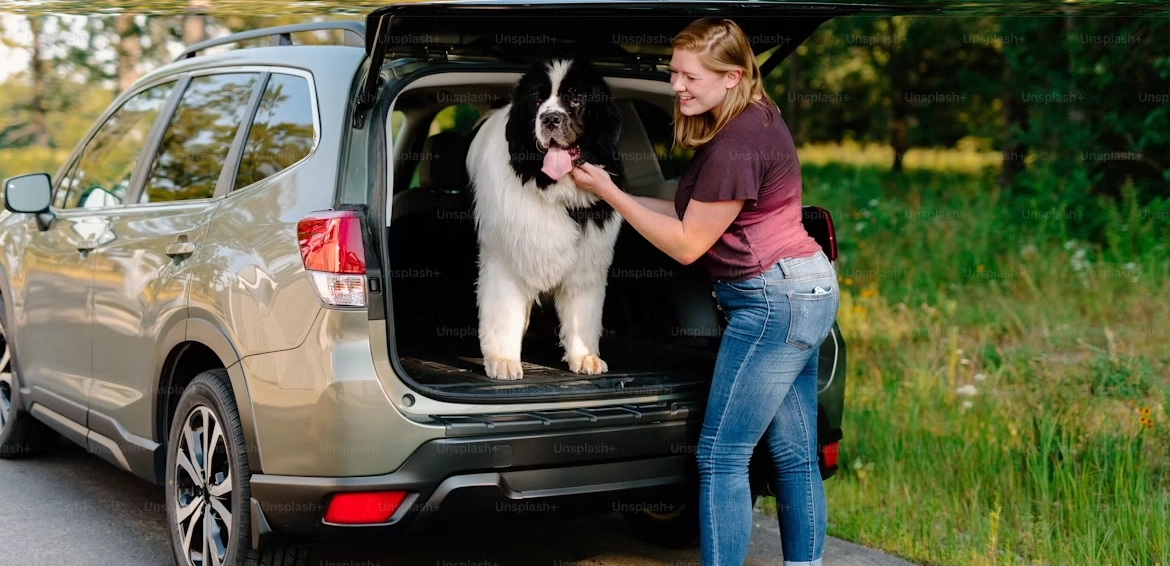
If your senior dog has started hesitating before jumping on the couch, or you notice it pausing a couple of seconds longer in front of the car steps, it's probably telling you in its own way: its joints don't respond like they used to. A well-chosen ramp isn't a luxury — it's a direct way to reduce wear on its hips and knees every time it climbs up or down from a high place.
The problem is that not every ramp works for every dog. A ramp that's too steep can intimidate a dog with joint pain, and one that's too long may not fit in your car or your home. Here I explain what to look at before buying, so you don't end up with a ramp your dog simply refuses to use.
We updated this list after reviewing each product's review history: we replaced a poorly backed option with a more established brand. The first 3 models are designed for small and medium dogs, the fourth is premium, and the fifth is for large breeds.
Illustrative photo
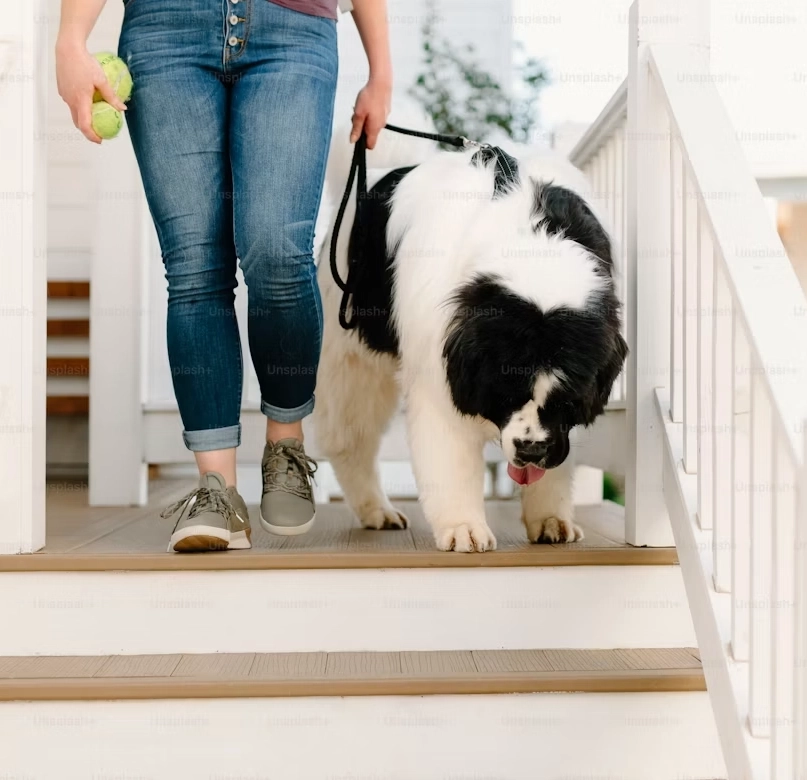
Aodisman Curved Foam Dog Stairs
ERGONOMIC DESIGNOur analysis: Non-slip 40 cm steps with a gentle curved ramp for low sofas and beds.
A pure-foam structure ideal for preventing rough jumps that hurt the spines of small and medium dogs. Its curved steps reduce mechanical impact on knees and joints when going down, offering a firm grip thanks to its washable corduroy cover.
- Curved design that reduces joint impact
- Removable washable high-traction corduroy cover
- Non-slip bottom base that stays put
- Not suitable for large dogs over 27 kg
Illustrative photo
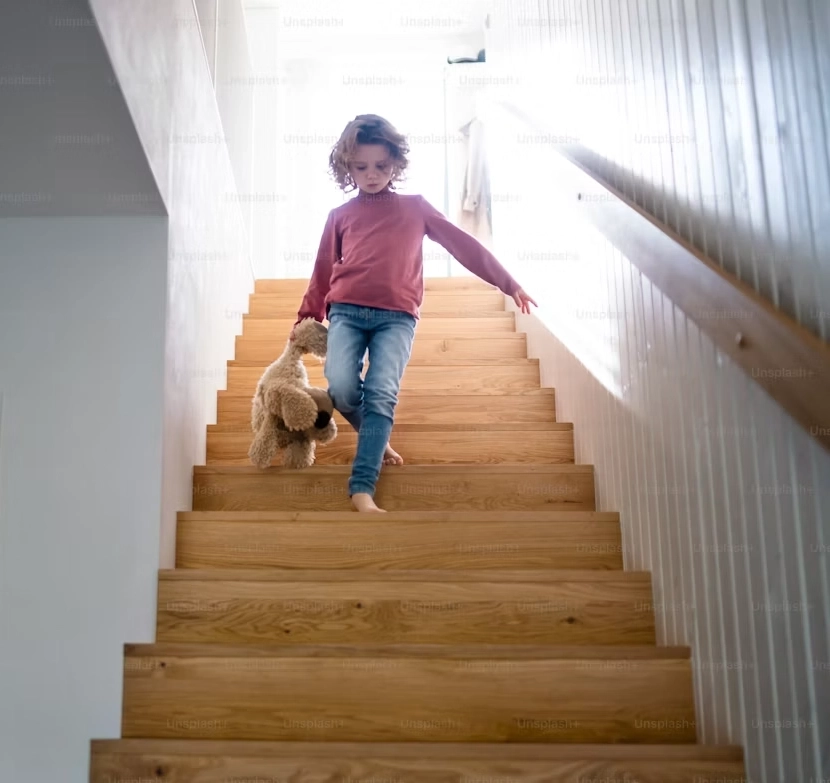
EHEYCIGA High-Density Foam Stairs
PURE 35D FOAMOur analysis: Three-step padded ramp with a reinforced base for safe climbing onto couches and chairs.
Built by a leading brand with high-density (35D) foam that offers firm support without sinking under the animal"s weight. Its gentle-slope design protects the joints of puppies and senior pets suffering from reduced mobility.
- High-resilience 35D foam that holds its shape
- Excellent customer satisfaction rate (4.7 stars)
- Soft-touch fabric and bottom base with friction dots
- Being compact foam, it doesn"t fold for travel
Illustrative photo
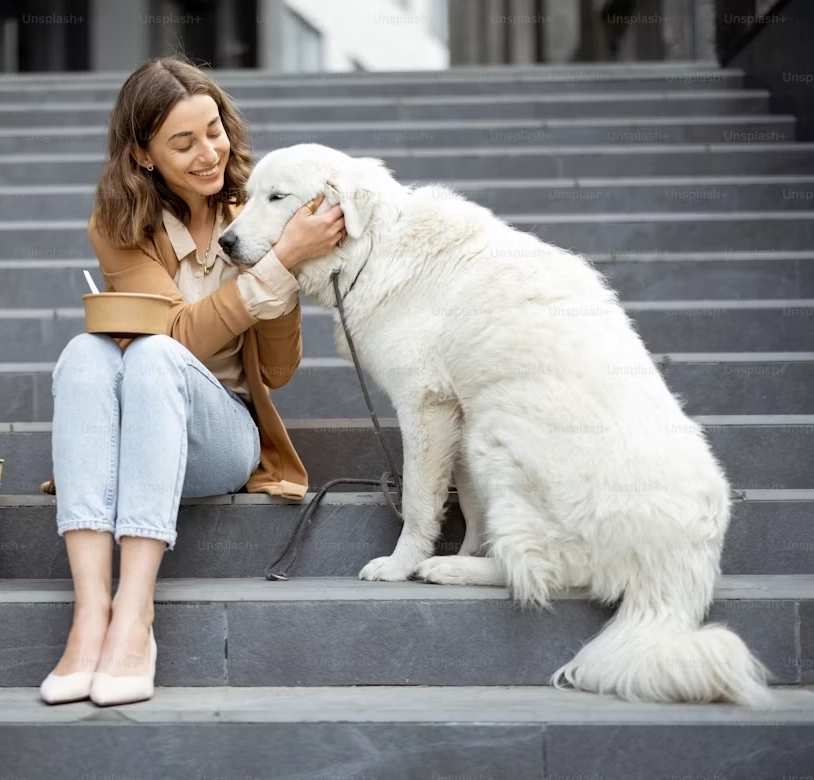
PetSafe Happy Ride Folding Ramp
BEST FOR CARSOur analysis: Lightweight 62-inch telescoping ramp with a high-traction surface and safety side rails.
The go-to option for travel in pickup trucks, vans, or SUVs. Weighing only 4.5 kg (10 lbs), it"s very easy to fold, secure with its latch, and store in the trunk. Its extended length reduces the incline angle, making access easier for large senior dogs.
- Ultra-light 10-pound frame, easy to carry
- Independently supports up to 150 lbs
- High-friction surface that prevents falls and slips
- Takes up considerable length (62 inches) when extended
Note: Aodisman, EHEYCIGA, and Ahpmeoa are designed for small and medium dogs. PetSafe CozyUp is the premium option with the most recognized brand, and Fecuria is the only one on this list designed for large breeds.
How to help your dog get used to the ramp
Even if you buy the perfect ramp, many senior dogs need an adjustment period. Place it at a low angle first, use treats to encourage it to walk on it without weight (with the ramp resting on the floor), and only then practice with the real incline. Forcing a scared dog to use it from day one usually backfires: it will reject it completely.
Does your dog really need a ramp?
Not all senior dogs need one right away, but these signs usually indicate it's time:
- Visibly hesitates before getting on or off the couch, bed, or car
- Has been diagnosed with hip dysplasia, arthritis, or spine problems
- Is a large or long-backed breed (like a Basset Hound or Dachshund), prone to jumping injuries
- Recently recovered from surgery and needs to avoid impact
The 5 factors that really matter
1. Weight capacity
This is the most common mistake: buying a ramp thinking only about the dog's size, without checking the maximum weight it supports. Always look for a margin of at least 20-30% above your dog's actual weight, because dynamic weight while walking creates more pressure than static weight.
2. Incline angle
The flatter the angle, the less effort your dog makes — but the longer (and less practical) the ramp is. For dogs with advanced arthritis or serious spine problems, a gentle angle matters more than saving space.
3. Non-slip surface
A senior dog that slips once on the ramp will probably never trust it again. Look for carpet- or rubber-textured surfaces, not smooth plastic — especially if you'll use it outdoors where it can get wet.
4. Foldable and portable, if you'll move it around
If you plan to use it for the car and at home, the ramp's weight and how easily it folds matter as much as the price. A 20 lb ramp that doesn't fold well becomes just another piece of furniture, not a tool you actually use every day.
5. Stability at the ends
The best models have raised edges on the sides and a base that doesn't shift when stepped on. This is key for dogs with reduced vision, which is very common in the senior stage.
Quick reference table
| Your dog's situation | What to prioritize |
|---|---|
| Advanced arthritis or joint pain | Flattest angle possible |
| Large breed (55+ lb) | High weight capacity + wide base |
| Car/travel use | Lightweight and foldable |
| Outdoor or wet-area use | Rubber-type non-slip surface |
| Dog with reduced vision | Raised side edges |