
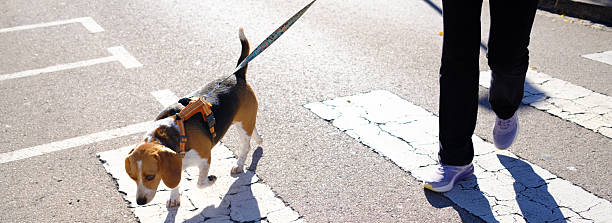
If your senior dog starts to wobble when getting up, drags its hind legs when walking, or needs help getting into the car, a rear support harness (also called a "lift harness") may be just the tool it needs — without quite reaching the point of a wheelchair.
The problem is that "support harness" is a broad category with very different products. Buying the wrong type won't help at all: a rear harness is useless if your dog's weakness is in their front legs, and vice versa.
These options cover different levels of support and budget, verified with real price and reviews.
Foto ilustrativa
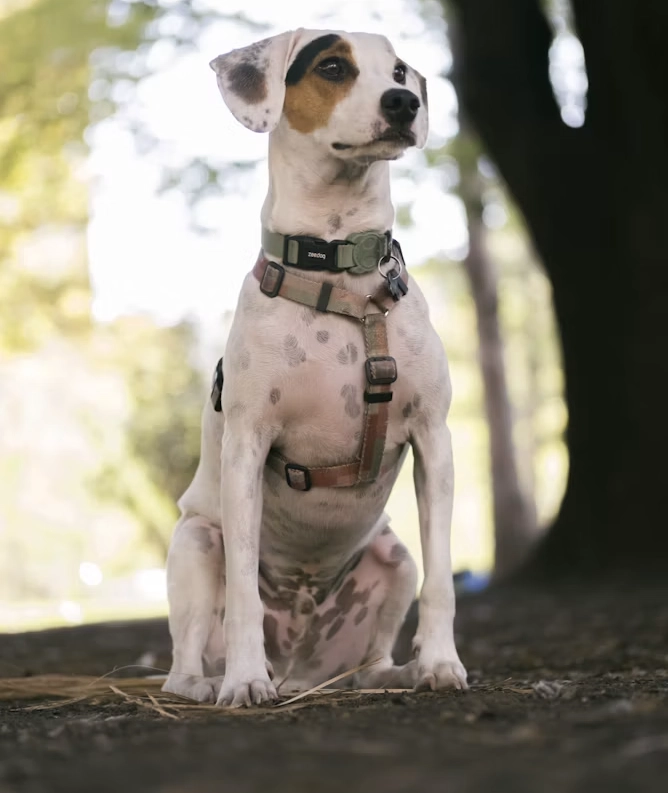
Coodeo Full-Support Dog Harness
BEST VESTOur analysis: Padded, breathable full-body harness for front, rear, and full-body assistance.
Unlike bands that slide around, this vest-style design safely wraps your senior dog"s chest and abdomen. Its ergonomic top handle lets you lift your pet on stairs or into cars in a balanced way, reducing strain on their back and yours. The breathable mesh material prevents chafing and heat buildup.
- Support evenly distributed across the whole body
- Reinforced high-security adjustable straps
- Breathable material ideal for long walks
- Taking your dog"s exact measurements is crucial to avoid a loose fit
- May take some practice the first few times to put it on standing
Foto ilustrativa
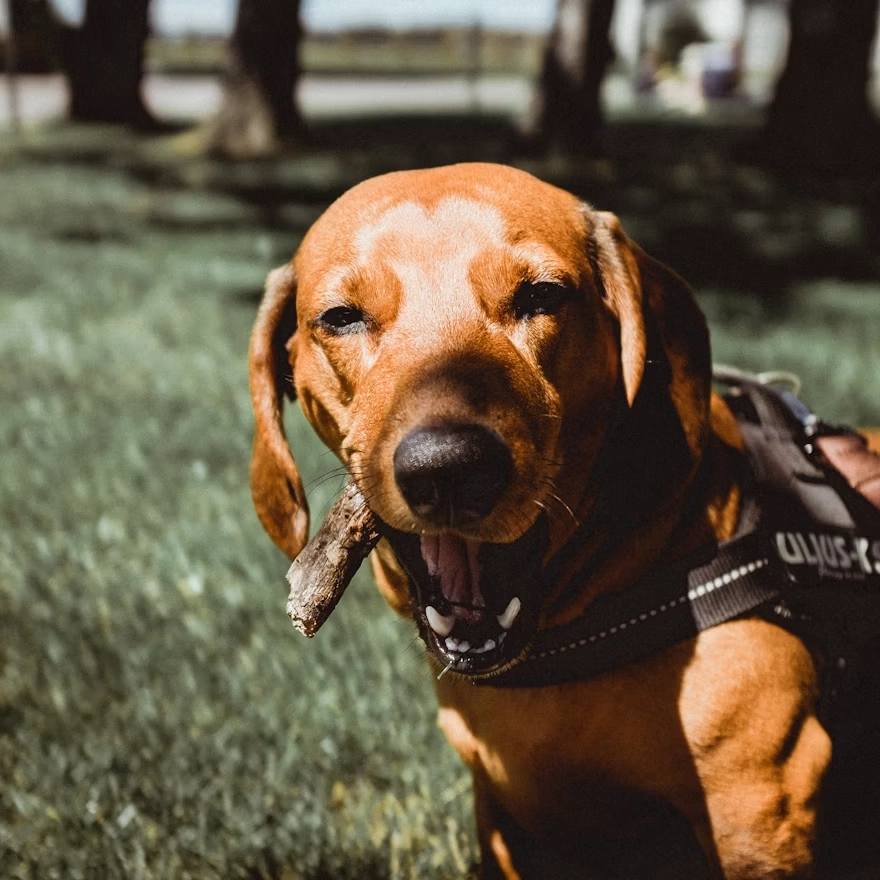
Ruffwear Flagline Lift Harness
PREMIUM QUALITYOur analysis: High-end lightweight harness with a balanced handle and three leash attachment points.
Ruffwear is an undisputed leader in long-lasting canine gear. The Flagline model is perfect for senior dogs thanks to its padded belly panel that crosses the chest and abdomen, allowing clean, controlled lifting without pressing on vital organs.
- Ultralight frame that adds no weight to your senior dog"s gait
- Escape-proof design with 6 adjustment points
- Mountaineering-grade materials extremely resistant to wear
- High upfront investment
- Not designed for giant dogs over 55 kg
Foto ilustrativa
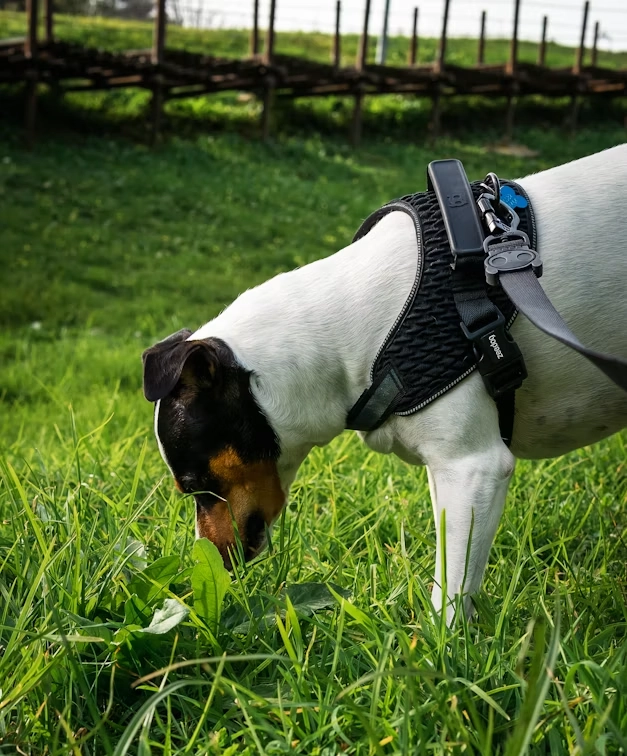
LOOBANI Reinforced Hip Support
PREMIUMOur analysis: Harness with a soft plush lining and reinforced structure for lifting the hindquarters.
An ergonomic mobility alternative for advanced cases of dysplasia, severe arthritis, or post-surgical recovery. Its design minimizes pressure on the owner"s hands and the dog"s body.
See price on Amazon →First: identify where the weakness is
This is the step that determines everything else:
- Rear lift harness: for weakness in hips, knees or hind legs — the most common case in senior dogs, usually due to hip dysplasia or arthritis.
- Front support harness: for shoulder or elbow problems — less common, but it exists.
- Full body harness: for dogs with generalized weakness in all four legs, or large breeds that need support at both ends.
If you're unsure which one your dog needs, observe him closely as it gets up and walks for a few days, and if you have any doubts, ask your vet before buying—it's the only way to get it right the first time.
When to use it (and when it's not enough)
A back support harness works well for:
- Help your dog get up from the floor
- To provide stability on stairs or when getting in/out of the car
- Temporary support during post-surgical recovery
- Short walks where your dog needs a little help, don't carry him completely
If your dog can no longer support its own weight on its hind legs at all, a harness isn't going to cut it — at that point, the conversation with your vet is probably about a dog wheelchair, not a harness.
How to choose the right size
A poorly fitted harness can cause harm instead of helping. Measure your dog before buying:
- Chest circumference: around the widest part of the chest, just behind the front legs.
- Abdominal/hip circumference: Just in front of the hind legs, for rear-support models
- Current weight: Use this as a cross-check against the manufacturer's size chart, not as the sole data point
As a general rule: the harness should fit snugly but not tightly — you should be able to pass two fingers under any strap without effort.
What to look for in design
1. Wide, padded straps
Thin straps concentrate pressure on a small area, which can irritate the skin with repeated use. Look for wide straps with padding, especially in the handle area.
2. Multiple adjustment points
More adjustment points (some models have up to 10) mean a more customized fit — important because every dog has different proportions, not just size.
3. That your dog can relieve himself without having to take it away
If you plan for your dog to wear the harness for several hours a day, check that the design doesn't block the area needed to urinate or defecate—some poorly designed harnesses do, and you'll end up constantly taking it off and putting it back on.
4. Washable cover or lining
Since it's a garment that you'll probably wear every day, the ability to clean it easily matters more than it might seem at first.
Note: Remember that these are full-body/back support harnesses, which vary in structure. Measure your dog before purchasing and check each manufacturer's size chart—the correct fit matters more than the specific brand.