
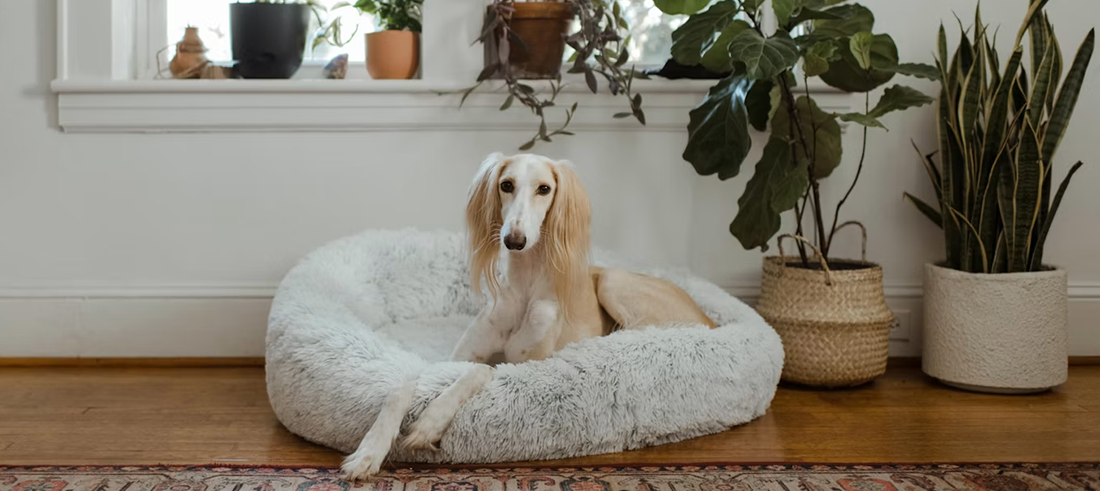
A senior dog can spend between 16 and 20 hours a day resting. That means the bed it sleeps on isn't just another accessory: it's probably the object that touches its body the longest, every single day. And yet, it's one of the last things most owners think about when adjusting for their dog's old age.
The difference between just any bed and a real orthopedic bed isn't in the marketing — it's in the foam density and how it distributes body weight. Here I explain what to look for so you don't overpay for an "orthopedic" bed that really isn't one.
Illustrative photo
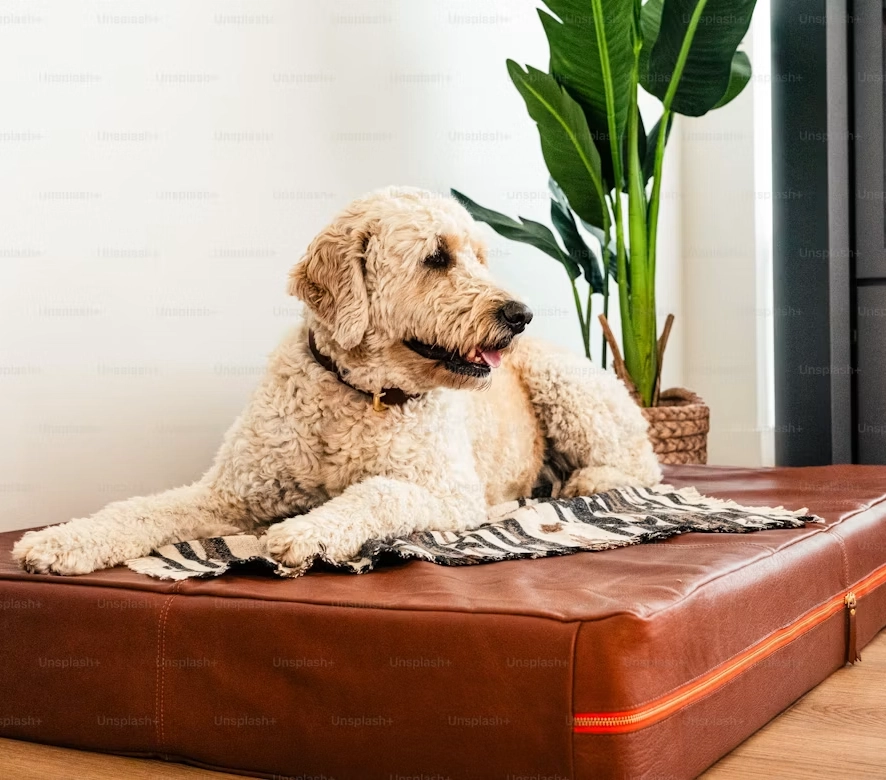
Big Barker Orthopedic Dog Bed
MEDICAL-GRADEOur analysis: Clinical-grade orthopedic bed designed to relieve arthritis pain in senior dogs.
The only bed on the market scientifically validated to reduce pressure sores and canine arthritis pain. Its 7 inches of high-density foam ensure your dog"s elbows and hips never touch the hard floor.
- 10-year 'No Flat' warranty (the foam never deforms)
- Real therapeutic support recommended by veterinarians
- Washable high-durability microfiber cover
- High upfront investment
- Not recommended if your dog chews or destroys things
Illustrative photo

Bedsure Orthopedic Dog Sofa Bed
BEST SELLEROur analysis: Sofa-style bed with padded bolsters on 4 sides and egg-crate support foam.
Bedsure is the undisputed leader in high-volume sales on Amazon. This sofa offers high-density egg-crate support that distributes weight evenly to relieve stiff joints. Its side bolsters create a safe nest and an ergonomic resting spot for your senior dog"s neck and head.
- Lowered entry that makes access easy for dogs with limited mobility
- Cover with an internal waterproof layer against urinary accidents
- Excellent value and high customer trust
- The foam needs 24 to 48 hours to expand after unpacking
Illustrative photo

EHEYCIGA Waterproof Oxford Dog Bed
HIGH DURABILITYOur analysis: Flat orthopedic foam mattress covered in scratch-resistant Oxford fabric.
This pick earns its place thanks to its outstanding price-to-material-strength balance. Its core slows body-heat loss by insulating your dog from the floor, while its washable cover makes it a highly sought-after hygienic option for dogs suffering from severe incontinence.
- Waterproof Oxford outer fabric, very easy to clean
- Flat design ideal for large crates or car travel
- Bottom base with high-friction non-slip rubber dots
- With no side bolsters, it offers no support for resting the head
Why does it matter so much for senior dogs?
With age, dogs lose muscle mass and protective fat over bones and joints. A bed that's too soft or thin lets hips, elbows, and shoulders press straight through the filling against the floor, creating pressure points that can lead to calluses and even worsen existing joint pain, like that caused by hip dysplasia or arthritis.
The 4 factors that separate a real bed from one that only looks like it
1. High-density memory foam, not regular foam
Here's the most common marketing trick: many beds say "orthopedic" just because they use soft foam, not because they use real high-density memory foam (ideally 4-5 lb/ft³ or more). Regular foam compresses quickly and loses support within months; high-density foam keeps its shape for years.
2. Minimum 4-inch thickness for medium and large dogs
A thin layer of foam over a flat base doesn't offer real support. For medium and large breeds, look for at least 4 inches of foam; for small breeds, 2-3 inches is usually enough.
3. Removable, washable cover
Senior dogs are more prone to accidents (incontinence, vomiting, etc.). A zippered cover you can remove and machine-wash isn't a luxury — it's practically mandatory to keep the bed hygienic long-term.
4. Non-slip base
A dog with reduced mobility that pushes with its paws to get comfortable can end up sliding the bed all over the floor if it doesn't have a non-slip rubber base. This is especially important on wood or ceramic floors.
What size should you choose?
| Situation | Recommendation |
|---|---|
| Dog that sleeps fully stretched out | Bed 3-4 inches longer than its stretched-out body |
| Dog with arthritis or hip dysplasia | Higher-density memory foam — priority over size |
| Small spaces or apartments | Low-sided models, easier to fit in corners |
| Dogs that scratch before lying down | Reinforced, snag-resistant cover |
Note: the first 3 (budget) options cover most cases of healthy senior dogs or those with mild discomfort well. The 2 premium options make sense when the dog has a diagnosis of moderate to severe arthritis or dysplasia, where foam quality makes a real, lasting difference.
A detail almost nobody mentions: placement
Even the best orthopedic bed loses effectiveness if it's in a cold draft or far from where your dog spends the rest of its time. Senior dogs regulate body temperature worse, so placing the bed in a warm area of the house, away from doors or windows, complements the physical support the bed itself gives.