
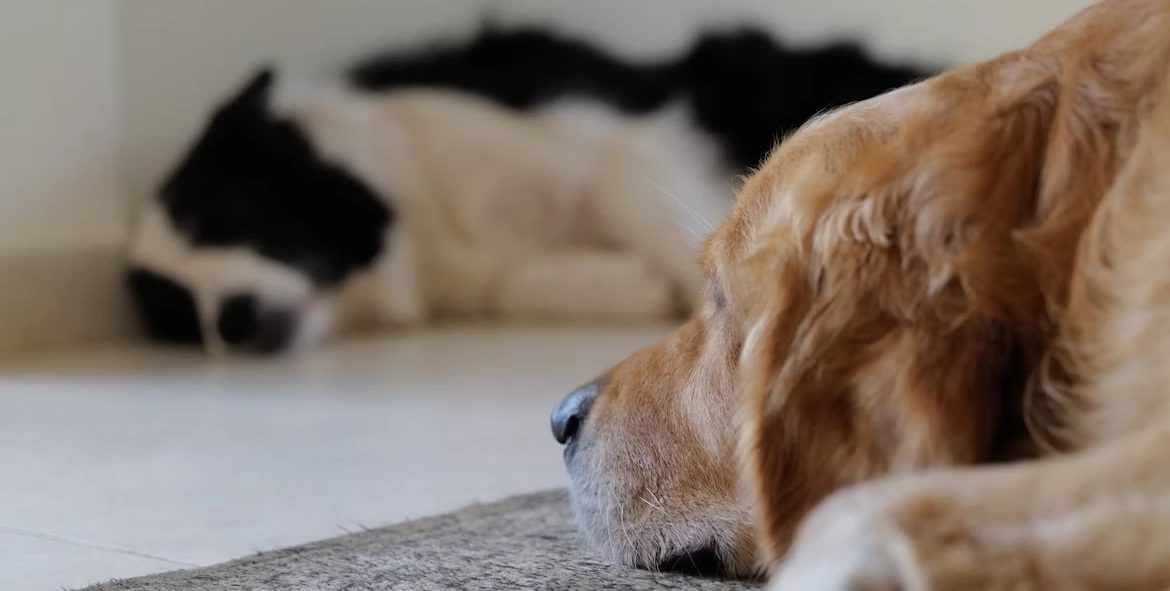
Wood, ceramic, or laminate floors are beautiful to us, but for a senior dog with less muscle mass and worse proprioception (the sense of where its own paws are), they can be a constant source of slipping — each of which puts extra stress on already sensitive joints.
The good news is that this is one of the most affordable solutions in this entire series of guides. The bad news, which we'd rather tell you right away: rugs alone aren't a perfect solution, and here we explain why, along with how to get the most out of them.
Both options confirm real rubber backing (not just decorative texture) and are washable, meeting the two most important technical criteria in this guide.
Foto ilustrativa
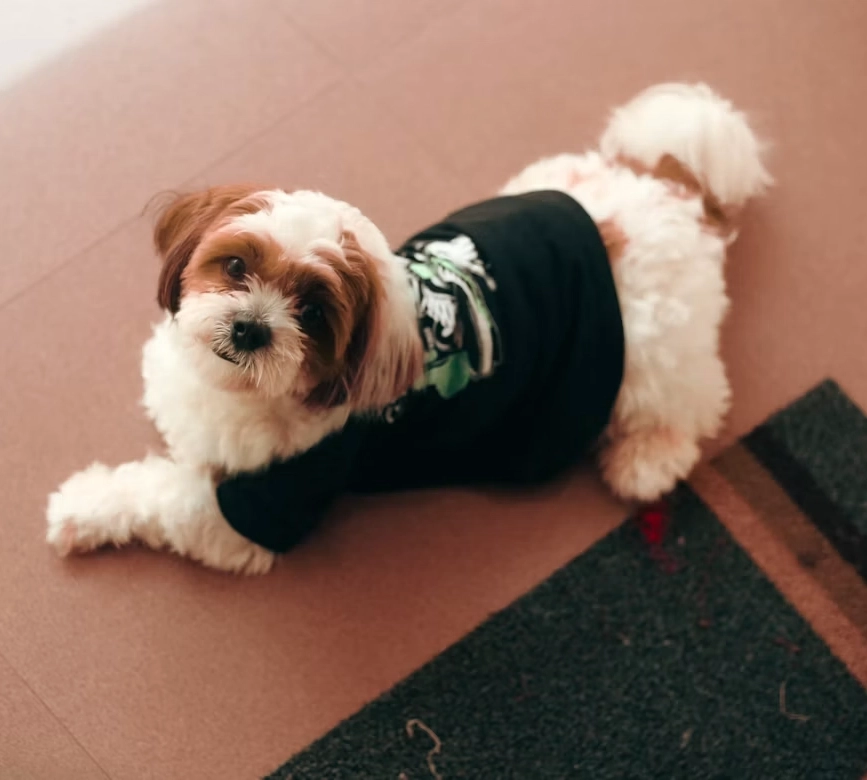
Gorilla Grip SoakSTOPPER Dog Doormat
MAXIMUM ABSORPTIONNuestro análisis: Dense chenille mat with a non-slip rubber base, machine washable.
The number-one pick for protecting senior dogs in high-traffic spots like the entryway or dining room. Its dense chenille pile traps moisture instantly, drying wet paws to prevent painful slips on stiff joints. The thermoplastic rubber base keeps the mat from shifting when your dog leans on it.
- Absorbs up to 4x its weight in water
- Safe TPR rubber base that won"t damage floors
- Washer and dryer safe
- The tall pile can trap lint if not vacuumed
Foto ilustrativa
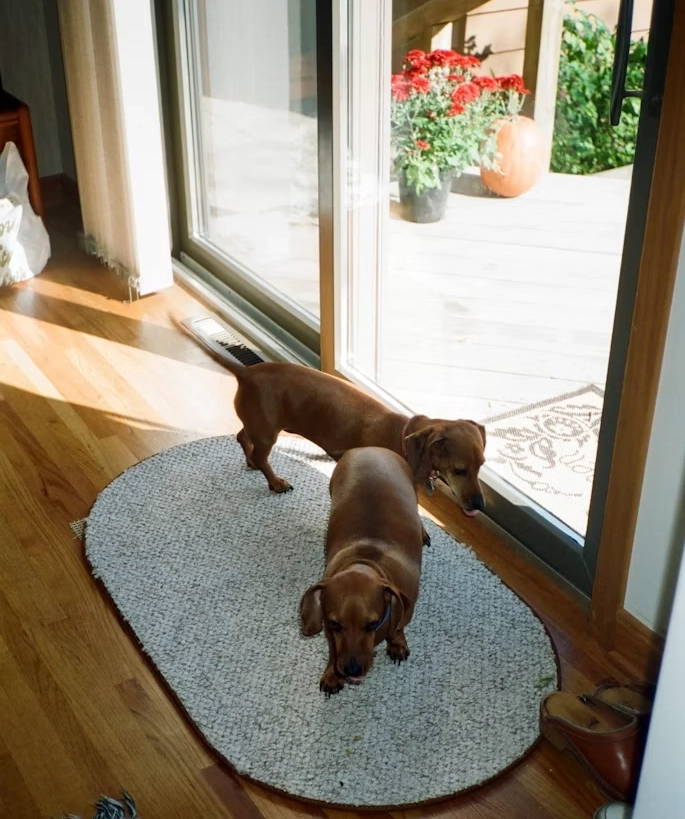
Drymate Dog Crate Mat
MEDICAL-GRADE PROTECTIONNuestro análisis: Low-profile waterproof mat with Zorb-Tech liquid-containment technology.
Designed in the USA with a health-focused purpose. Its ultra-absorbent fabric wicks moisture away from your senior dog"s body, making it essential if your pet suffers from nighttime incontinence. It has a 100% waterproof plastic base that blocks leaks from reaching your hard floors.
- Zorb-Tech technology that slows urine flow
- Thin material that can be cut to size without fraying
- Very lightweight and easy to hose off
- Not padded; must be used over a bed or crate
- Takes a few extra hours to dry after washing
Foto ilustrativa
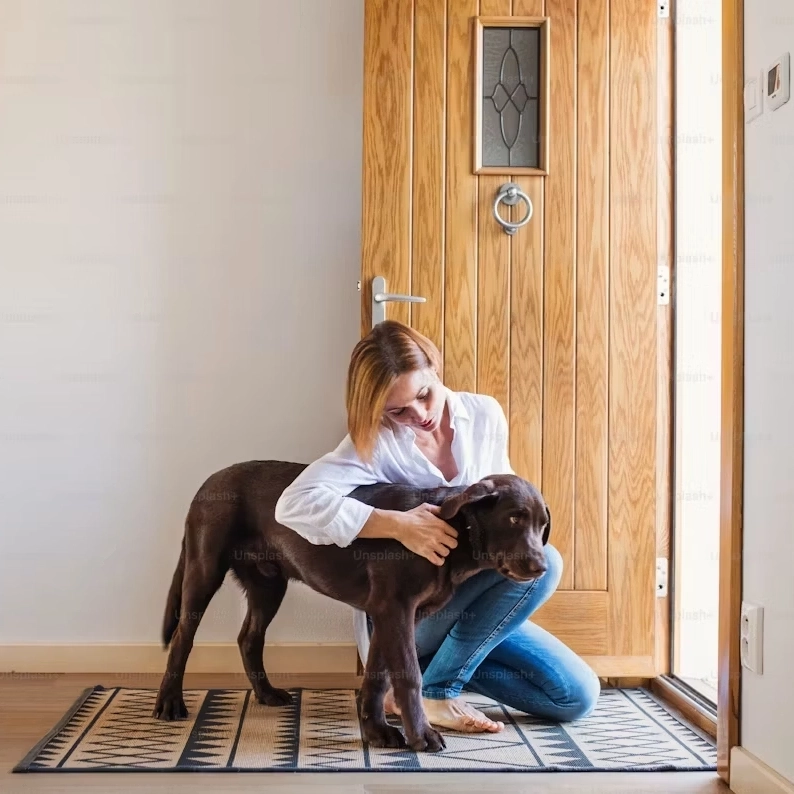
OLANLY Dog Door Mat
THERMAL INSULATIONNuestro análisis: Large-format rectangular microfiber rug with reinforced traction and grip.
Cold ceramic or wood floors worsen the joint stiffness caused by canine arthritis. This OLANLY mat acts as a spongy thermal shield, offering a stable, warm surface where your senior dog can stand up without slipping.
- Extra-soft fibers ideal for sensitive skin
- Excellent size-for-price value
- Strong customer review backing on Amazon
- Takes longer to dry if it absorbs large volumes
The honest limitation of carpets
Rugs and carpets are stationary—they cover a fixed area, but your dog moves throughout the house. It's common for a dog to wander outside the covered area and still slip on the uncarpeted section. That's why the most effective strategy is almost never "a big rug in the living room," but rather covering the specific routes your dog uses most often.
Where to prioritize?
- The route from where they sleep to the exit door (especially if they have incontinence and need to leave quickly)
- Around their food and water bowls
- At the base of ramps or stairs you use
- Any corner where the dog has to turn — turns are where most slips happen
Qué buscar al elegir
1. Real rubber backing, not just textured top
The real grip comes from the rug's backing against the floor, not the texture of the surface the dog walks on. Look specifically for "rubber backing" or "non-slip backing" in the description—a decorative rug without this backing will slide just like bare flooring.
2. That it can to wash
It will accumulate hair, dirt from paws, and possibly accidents if your dog is incontinent. Prioritize machine-washable options over those that can only be vacuumed.
3. Long runners for hallways, mats for specific areas
For longer routes (hallways), runner-style rugs cover more ground for less money than several small rugs. For specific areas (in front of the bed, next to the food bowl), a single rug is sufficient.
When to combine with another solution
If your dog continues to slip noticeably after installing rugs, there are complementary solutions that address the problem from a different angle: trimming the fur between the paw pads (long fur there reduces traction), or using products like non-slip grips/socks that go directly on the dog's paws, instead of relying on covering the entire floor. No solution is mutually exclusive—many owners combine rugs in key areas with grips for the rest of the house.
Note: Remember the real strategy that works best — place these runners on the specific routes your dog uses most (from their bed to the door, at the base of ramps), rather than covering the entire house with one large rug.